It’s More Than a Wildflower
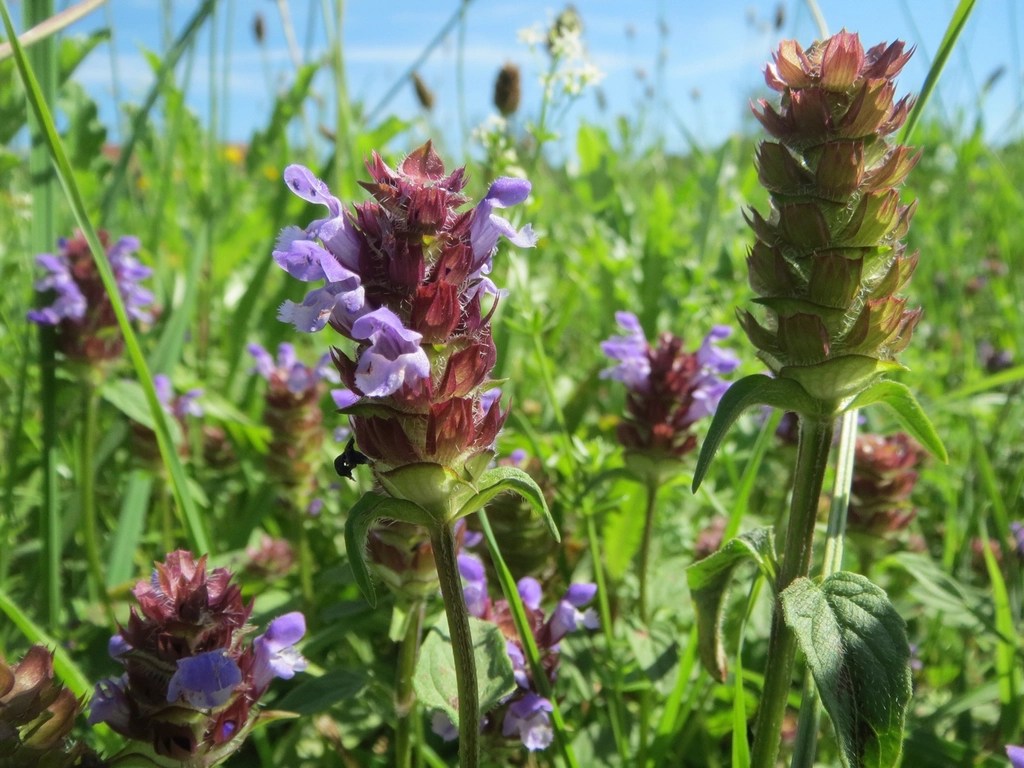
Often overlooked as just another little purple flower growing along roadsides and in meadows, self-heal (Prunella vulgaris) has earned its common name honestly. For centuries, herbalists around the world have valued this humble member of the mint family for its impressive traditional uses. Sometimes called Heal-All, this resilient plant has long been associated with supporting the body’s natural healing processes.
Though small in stature, self-heal has built a remarkable reputation in traditional herbal medicine.
Meet Self-Heal
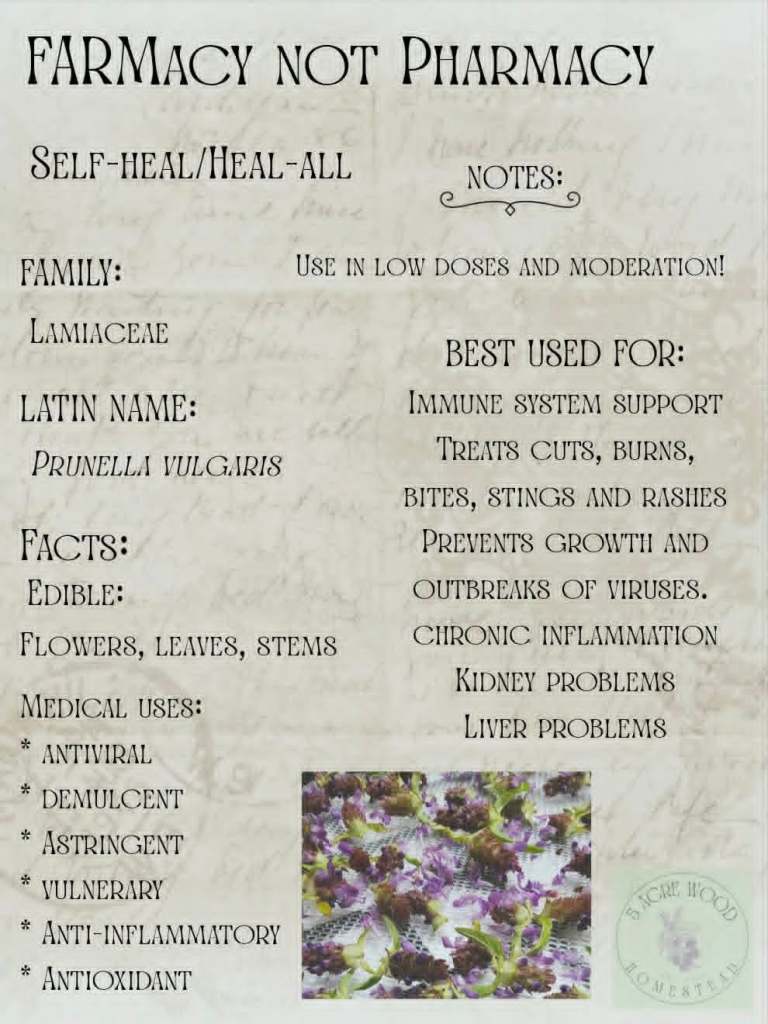
Scientific Name: Prunella vulgaris
Family: Lamiaceae
Edible Parts: Flowers, leaves, and stems
Self-heal spreads low across the ground, producing small purple flower spikes throughout the summer. Every above-ground part of the plant has traditionally been used fresh or dried for teas, tinctures, salves, and poultices.
Traditional Herbal Uses
Historically, self-heal has been valued as a:
- Antiviral herb
- Demulcent
- Astringent
- Vulnerary (supports wound care)
- Anti-inflammatory
- Antioxidant
Traditional herbalists have used self-heal to support:
- Healthy immune function
- Minor cuts, scrapes, burns, bites, and stings
- Occasional skin irritations and rashes
- The body’s natural inflammatory response
- General wellness during seasonal illness
- Liver and kidney wellness in traditional herbal systems
While research into Prunella vulgaris continues, many of these uses are based on centuries of traditional practice.
Ways to Use Self-Heal
Self-heal is commonly prepared as:
- Herbal tea
- Alcohol tincture
- Infused oil
- Healing salve
- Fresh poultice
- Herbal rinse
Its gentle nature makes it a favorite herb to include in homemade first-aid preparations.
Growing Self-Heal
Self-heal is hardy, low-maintenance, and often grows naturally in lawns, meadows, and woodland edges.
It prefers:
- Full sun to partial shade
- Moist, well-drained soil
- Regular watering while establishing
Because it spreads readily, it can also serve as a beautiful flowering ground cover that attracts bees and other beneficial pollinators.
A Few Precautions
Although self-heal has a long history of traditional use, it should still be used in moderation. As with any medicinal herb, speak with your healthcare provider before using it regularly, especially if you are pregnant, nursing, taking medications, or managing a medical condition. Herbs should support overall wellness and are not intended to diagnose, treat, cure, or prevent disease.
From My Kitchen
Self-heal is one of those plants that many people mow over without ever realizing what they’re looking at. I love learning about the useful plants that quietly grow all around us, and this little purple flower is a perfect example. Whether I’m drying it for tea or adding it to a homemade salve, self-heal reminds me that some of the most valuable things on a homestead don’t come from a seed catalog—they’ve been growing at our feet all along.


Leave a Reply