
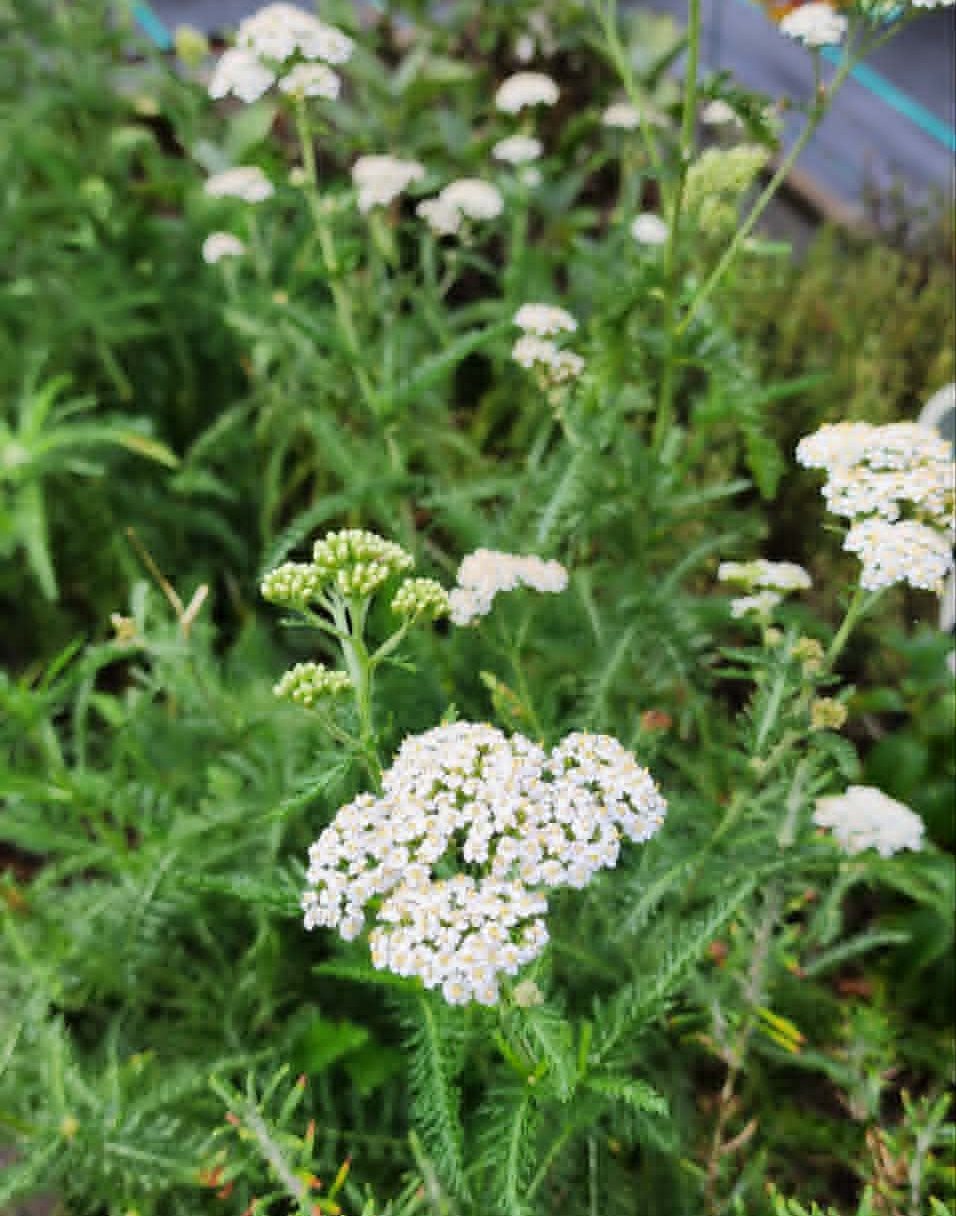
It’s more than a roadside wildflower
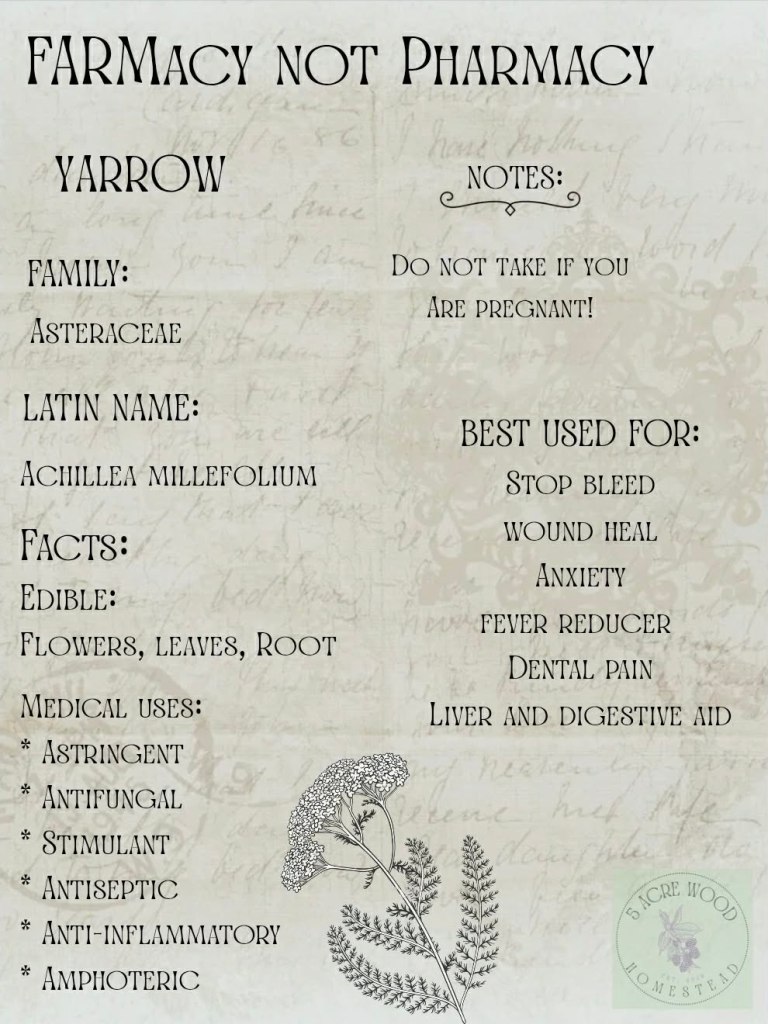
For centuries, yarrow has been treasured as one of nature’s most versatile healing herbs. Known scientifically as Achillea millefolium, yarrow belongs to the Asteraceae family and has a long history of use in traditional herbal medicine. Its delicate clusters of white flowers may appear unassuming, but this resilient plant has earned a reputation for supporting wound care, digestion, and overall wellness.
Edible and Versatile
Yarrow’s flowers, leaves, and roots are all considered edible and have traditionally been used in teas, tinctures, infused oils, and herbal preparations. While its slightly bitter flavor makes it more popular as a medicinal herb than a culinary ingredient, it has been valued for generations as a staple in natural wellness.
Traditional Medicinal Uses
Historically, yarrow has been prized for a variety of wellness applications, including:
- Astringent properties
- Antifungal support
- Natural antiseptic qualities
- Anti-inflammatory effects
- Mild stimulant properties
- Amphoteric (supporting the body’s natural balance)
Why People Use Yarrow
Help Stop Minor Bleeding
One of yarrow’s best-known traditional uses is helping to slow minor bleeding. Fresh leaves have long been applied to small cuts and scrapes as part of traditional first aid practices, earning yarrow the nickname “soldier’s woundwort.”
Support Wound Healing
Thanks to its natural antiseptic and anti-inflammatory properties, yarrow has traditionally been used in salves, poultices, and infused oils to support the healing of minor wounds and skin irritations.
Promote Relaxation
Yarrow has been used by herbalists to help calm feelings of anxiety and encourage a sense of relaxation, making it a popular addition to soothing herbal tea blends.
Reduce Fever Naturally
Traditionally known as a diaphoretic herb, yarrow has been used to encourage sweating during fevers, helping the body’s natural cooling process while supporting recovery.
Ease Dental Discomfort
Yarrow has a history of being used to help soothe minor tooth and gum discomfort because of its natural anti-inflammatory and antiseptic qualities.
Support Healthy Digestion and Liver Function
Its bitter compounds have traditionally been valued for stimulating digestion and supporting healthy liver function. Many herbalists include yarrow in digestive blends designed to promote overall gut health.
Important Considerations
Yarrow should not be used during pregnancy, as it has traditionally been believed to stimulate the uterus. Individuals with allergies to plants in the daisy family (Asteraceae) should also use caution. As with any herbal remedy, consult a qualified healthcare professional before using yarrow medicinally, especially if you have underlying health conditions or take prescription medications.
Final Thoughts
Yarrow has earned its place as one of the most respected herbs in traditional herbal medicine. Whether used in teas, tinctures, infused oils, or topical preparations, it continues to be appreciated for its ability to support wound care, digestion, and everyday wellness. Its rich history reminds us that some of nature’s most valuable remedies are often growing right at our feet.


Leave a Reply