
An ancient herb with modern appeal
Discovering Feverfew
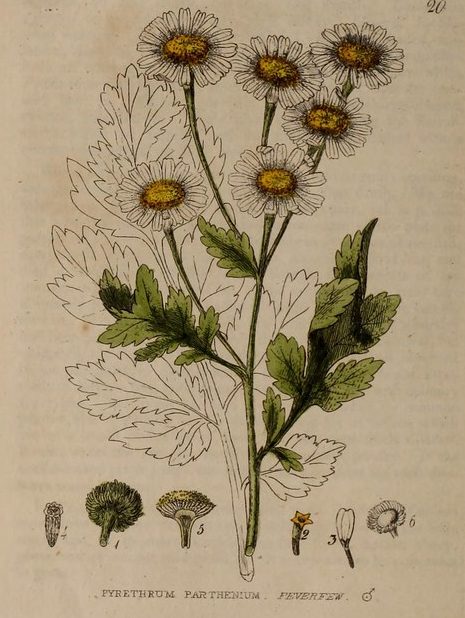
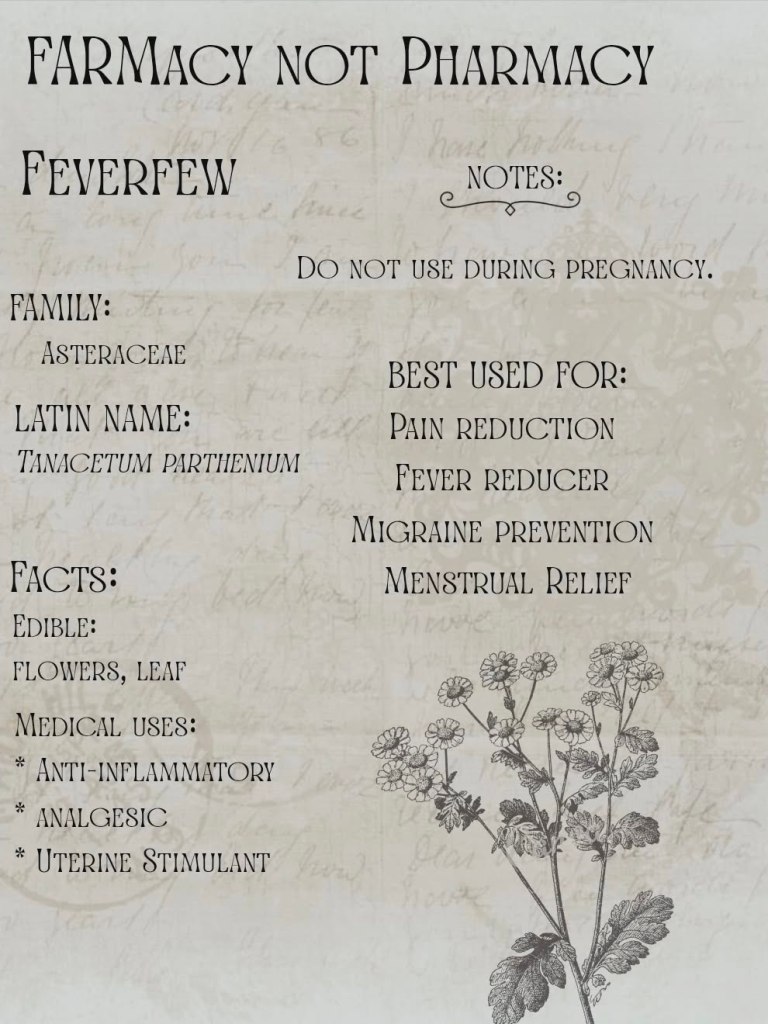
Feverfew has been used in traditional herbal practices for centuries and is best known for its association with migraine prevention and pain relief. Scientifically known as Tanacetum parthenium, feverfew belongs to the daisy family, Asteraceae.
Its small white flowers and rich herbal history have made it a popular plant among those interested in natural wellness approaches.
Edible Parts
The flowers and leaves of feverfew are considered edible and have traditionally been used in herbal preparations such as teas and tinctures.
Traditional Medicinal Uses
Feverfew has long been associated with:
- Anti-inflammatory properties
- Analgesic (pain-relieving) effects
- Uterine stimulant activity
Common Wellness Applications
Pain Reduction
One of feverfew’s most widely recognized uses is helping manage occasional pain and discomfort, particularly when related to inflammation.
Fever Support
Historically, feverfew was used to help support the body during episodes of fever, which contributed to its common name.
Migraine Prevention
Perhaps its most famous traditional use, feverfew has been used by many people seeking natural support for recurring migraines and headaches.
Menstrual Relief
Feverfew has also been used in herbal traditions to help ease menstrual discomfort and cramping.
Important Safety Note
A key consideration when using feverfew is that it is generally not recommended during pregnancy due to its traditional uterine stimulant properties. Anyone who is pregnant, nursing, or managing a medical condition should seek professional medical advice before using this herb.
Final Thoughts
Feverfew continues to be a noteworthy herb in traditional wellness circles, particularly for individuals interested in natural approaches to headache support and pain management. While its historical uses are well documented, it should always be used thoughtfully and under appropriate professional guidance.


Leave a Reply